Why Brand Communication and Design Fundamentals Matter More in the Age of AI
AI can now generate visuals, layouts, videos, and marketing assets within seconds. But while technology has accelerated production, it has also revealed something important:
AI-tools can generate content. They cannot automatically create meaningful communication.
That still requires human thinking.
Today, many entrepreneurs, marketers, and business owners wear the “designer hat” as part of their work. With AI-assisted tools becoming increasingly accessible, visual creation is no longer limited to trained designers alone. This shift is exciting because it empowers more people to communicate ideas visually and move faster in execution.
However, speed alone does not build strong brands.
The real differentiator is still the ability to communicate with clarity, purpose, and emotional resonance.
Design Is Not Decoration
One of the most common misconceptions about branding is that a logo is the brand.
In reality, a logo is simply a visual identifier.
Without a clear narrative, positioning, personality, and communication strategy behind it, the logo becomes an empty shell.
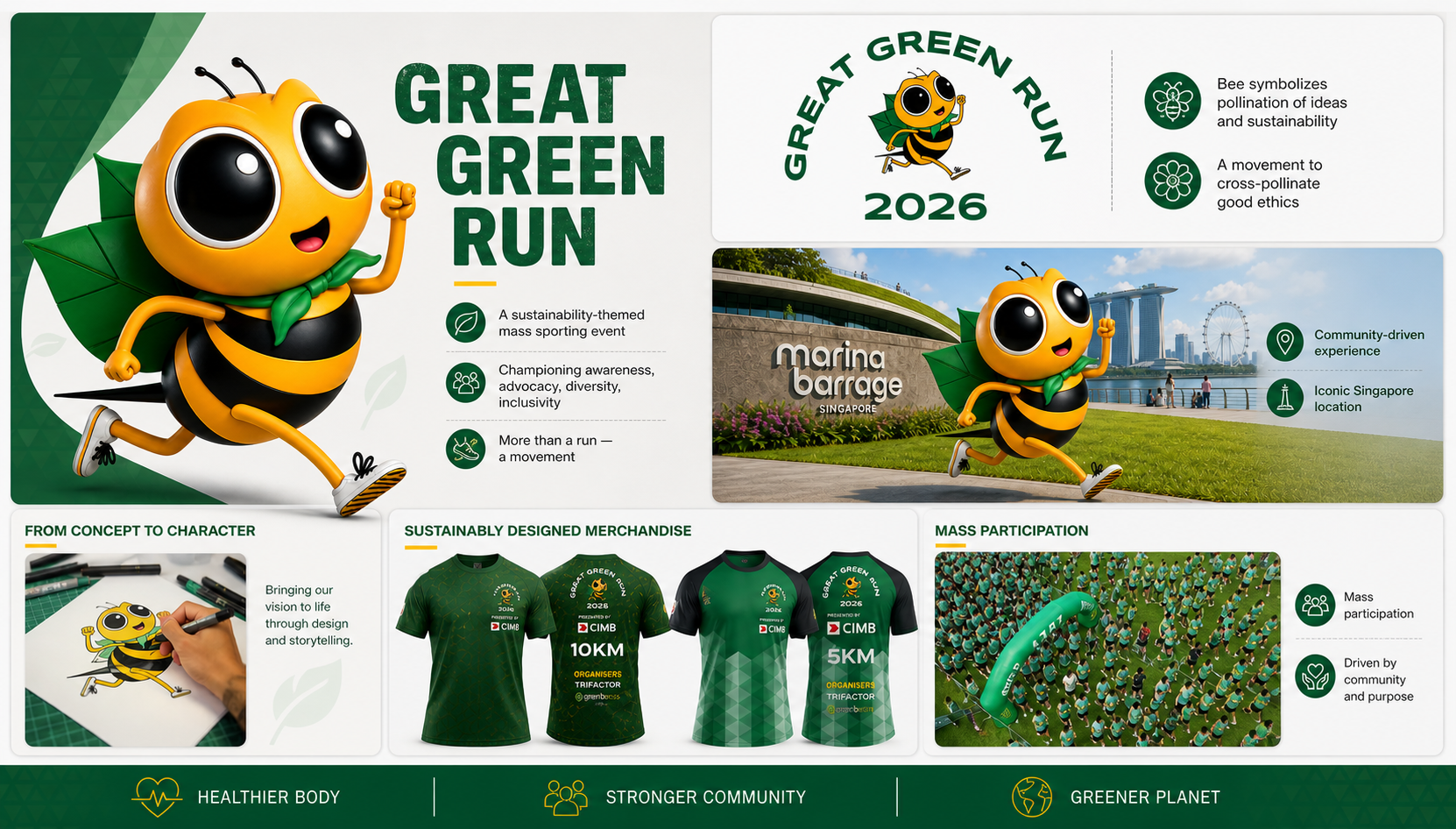
Strong brands are built when design works together with:
Brand values
Brand voice
Storytelling
Audience understanding
Emotional connection
Consistent communication
People rarely connect emotionally to visuals alone.
They connect to what the visuals represent.
This is why some brands become memorable while others are quickly forgotten despite having polished designs.
The Role of Design Fundamentals
As AI tools become more advanced, design fundamentals matter even more, not less. Why?
Because tools can assist execution, but they still require human direction.
Without understanding the fundamentals, creators risk producing work that looks visually impressive but lacks communication clarity or strategic intent.
Good design fundamentals help creators understand:
Visual hierarchy
Typography
Composition
Color psychology
Storytelling structure
Brand consistency
User perception
Emotional cues
These principles guide how audiences process information and emotionally respond to communication.
The tool may generate the output.
But the thinking behind the output determines whether the communication works.
AI Is Changing the Role of Creatives and Marketers
The exciting part about AI is not just automation.
It is the shift in where creative energy can now be invested.
When repetitive production tasks become faster, creatives and marketers gain more time to focus on:
Ideas
Strategy
Narrative development
Audience engagement
Creative direction
Communication clarity
This creates opportunities for deeper and more thoughtful brand communication.
Instead of spending hours executing repetitive tasks, professionals can spend more time refining the meaning and purpose behind the work.
In many ways, AI is not replacing creativity.
It is reshaping where creativity is most valuable.
Brand Communication Is About Meaning
A strong brand is not simply recognised.
It is understood and remembered.
This happens when communication consistently aligns with the brand’s values, personality, and story across every touchpoint — from visuals and messaging to customer experiences and content.
Whether designing a logo, producing social content, or creating campaigns, the question should never only be:
“What looks good?”
The better question is:
“What does this communicate?”
Because ultimately, design is communication.

And meaningful communication is what builds trust, emotional connection, and long-term brand value.
Final Thoughts
AI will continue to evolve.
Creative tools will continue to become faster and more accessible.
But the fundamentals of storytelling, design thinking, and brand communication will remain essential.
Technology may accelerate the process.
But meaning still comes from people.